
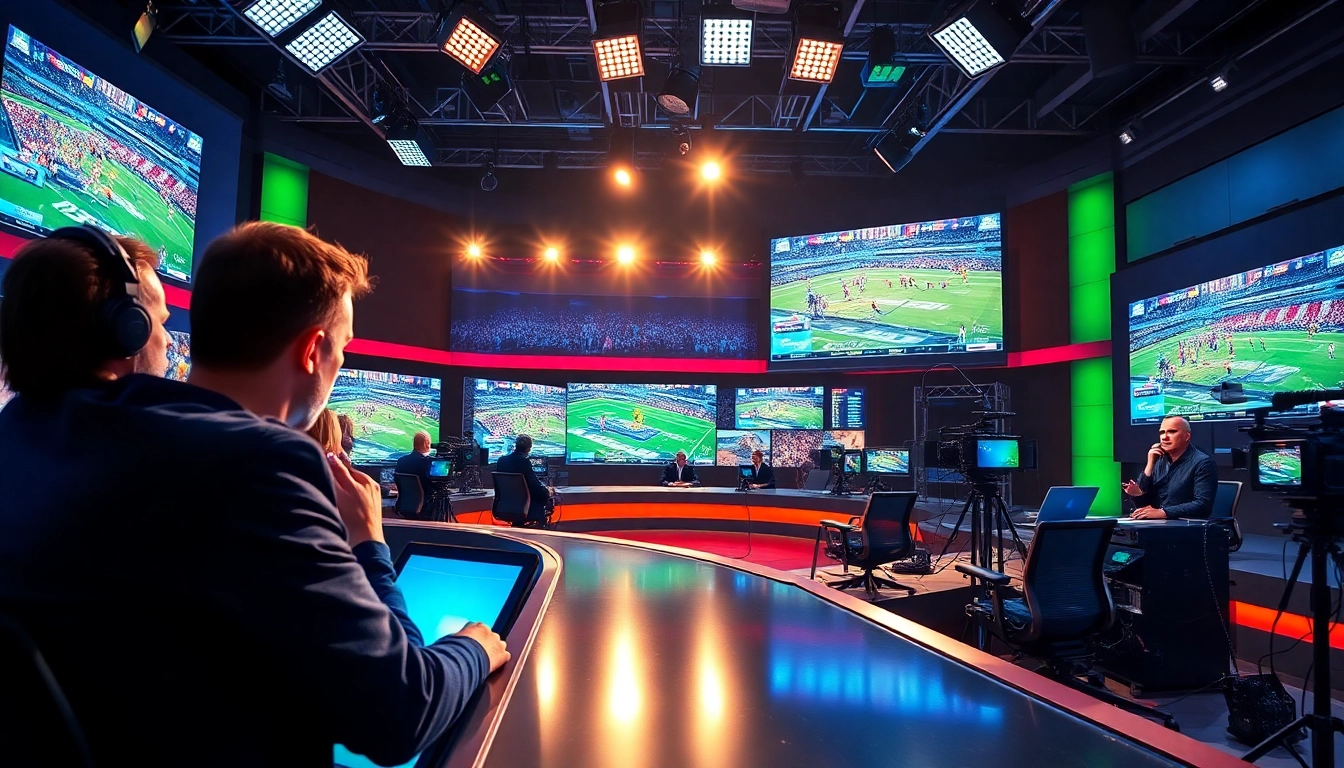
Understanding the Landscape of Sports Broadcasting
The realm of Sports Broadcasting has continually evolved, mirroring changes in technology, consumer behavior, and the broader media landscape. This article explores historical trends, current practices, and future predictions, aiming to provide a comprehensive understanding of how sports broadcasting operates today and into the future.
Historical Evolution of Sports Broadcasting
Sports broadcasting has a rich history beginning in the early 20th century, where radio broadcasts were the first vehicles for disseminating sports news. As technology advanced, television became the primary medium for watching live events. The first televised sporting event, a college baseball game, aired in 1939. Over the decades, the introduction of color TV and later digital broadcasting transformed the viewer experience, enabling audiences to engage with sports more vividly.
The 1980s and 1990s marked the explosive growth of cable sports networks, enabling more localized and diverse content delivery. This was complemented by the development of satellite broadcasts that reached larger, geographically dispersed audiences. More recently, the launch of streaming platforms has disrupted traditional broadcasting models, giving rise to on-demand viewing and subscription-based services.
Current Trends in Sports Broadcasting
Today, sports broadcasting is distinguished by significant trends including the integration of advanced analytics, immersive experiences via virtual and augmented reality, and the expansion of global viewership through various digital platforms. Moreover, social media has become a pivotal channel for both content distribution and audience engagement, allowing fans to connect with teams and events in real-time.
Another notable trend is the shift toward multi-platform viewing, where fans may watch events on smartphones, tablets, or smart TVs, depending on their preferences. This fragmentation of viewing habits presents both opportunities and challenges for broadcasters looking to retain audience attention across different devices.
Challenges in the Sports Broadcasting Industry
The sports broadcasting industry faces various challenges, including rising costs of broadcasting rights, maintaining viewer engagement in a crowded media environment, and navigating the complexities of regulations and rights agreements across different regions. Additionally, the transition from traditional TV viewing to digital platforms necessitates that broadcasters evolve their content strategies rapidly to meet changing audience expectations.
Competition is another critical challenge; with so many options available to consumers, retaining loyal viewers can require innovative programming, compelling storytelling, and through the use of new technologies that enhance the viewer experience.
Key Technologies Driving Sports Broadcasting
High-Definition and 4K Streaming Technologies
The push for higher-quality video content has defined the evolution of sports broadcasting technologies. High-definition (HD) broadcasts became the standard, followed by the introduction of 4K technology that offers an even crisper and more immersive viewing experience. Broadcasting in 4K not only enhances visuals but also improves the viewer’s overall experience during live events, creating more engaging narratives.
Streaming technologies have also advanced significantly, with significant investments in content delivery networks (CDNs) ensuring that streams remain stable and high-quality regardless of viewer demand. This technological leap has allowed broadcasters to reach wider audiences without compromising quality.
Role of Social Media in Sports Broadcasting
Social media’s rise has transformed sports broadcasting into a more interactive domain. Platforms such as Twitter, Instagram, and TikTok enable broadcasters to share highlights, engage with fans, and promote events in real-time. This direct connection with audiences enhances viewer loyalty and creates communal experiences, particularly during key events.
Moreover, the strategic use of social media analytics helps broadcasters understand viewer preferences, allowing tailored content and targeted promotions that resonate more effectively with fans.
Innovations in Broadcasting Equipment
Innovations in broadcasting equipment, such as drone cameras and enhanced audio systems, are revolutionizing how events are captured and presented. Drones provide unique aerial views of sporting events, while advanced audio equipment delivers clearer sound and enhances the viewer’s immersion. In addition to enhancing the quality of broadcasts, these innovations create fresh storytelling opportunities that can captivate audiences.
The continuous evolution of broadcasting technology necessitates constant training and adaptation among broadcasters, ensuring they can leverage these tools effectively to engage their audiences.
Strategies for Engaging Audiences in Sports Broadcasting
Creating Interactive Viewing Experiences
Creating interactive viewing experiences has become imperative for engaging modern audiences. Gamification elements, such as quizzes and polls during live broadcasts, can foster increased interaction and viewer investment in the game. Interactive features enable viewers to feel part of the action, elevating standard broadcasts into participatory experiences.
Broadcasters are increasingly leveraging mobile apps to facilitate these interactions, creating ecosystems where fans can engage directly with content while enjoying the events.
Leveraging Analytics for Viewer Engagement
The use of data analytics in sports broadcasting can significantly enhance viewer engagement. Broadcasters can analyze viewing patterns and preferences, which can inform content development strategies. By understanding which segments of their audience are most engaged, broadcasters can tailor their programming and promotions accordingly.
Analytics can be applied to multiple facets, such as determining the optimal times for advertising breaks or identifying the type of segments viewers engage with the most. This data-driven insight allows broadcasters to continually refine their approach to maximize audience retention.
Building Community through Sports Broadcasting
Building a community around sports broadcasting enhances viewer loyalty and creates lasting connections. This can be achieved by fostering fan-driven content, promoting user-generated highlights, and creating forums or channels where fans can discuss and interact. Events such as watch parties or fan engagement events strengthen community ties and enhance the overall experience of viewership.
Collaborations with influencers and these communities can further solidify the broadcaster’s commitment to their audience, effectively positioning them not just as broadcasters but as integral parts of the sports community.
Monetization Models in Sports Broadcasting
Advertising and Sponsorship Opportunities
Advertising and sponsorship remain cornerstones of revenue generation for sports broadcasting. Traditional ad placements during live broadcasts are supplemented by targeted digital advertising in streaming services. Innovative ad formats, such as interactive ads or in-game sponsorships, deliver not just visibility but also engagement, connecting brands directly with their target audiences in meaningful ways.
Developing partnerships with brands that resonate with audiences can enhance both the broadcasting channel’s relevance and its monetization potential.
Subscription-Based Models for Sports Streaming
Subscription-based models have gained popularity as consumers seek flexibility and on-demand viewing options. Services offering live sports programming through monthly or annual subscriptions are emerging as viable economic frameworks, especially as they often bypass traditional cable television structures.
Implementing tiered subscription models allows audiences to choose packages that best fit their sports consumption habits, whether comprehensive coverage or select events.
Emerging Revenue Streams in Sports Broadcasting
Beyond traditional advertising and subscriptions, sports broadcasting is exploring various emerging revenue streams, including merchandise sales through digital platforms during broadcasts, ticket sales to special events, and exclusive content sales. E-commerce integrations directly within streaming platforms allow fans to purchase merchandise in real-time during events, creating immediate earning opportunities.
Furthermore, developing exclusive behind-the-scenes content for fans can create additional revenue through premium access fees, enriching the viewer experience while generating revenue.
Future Outlook for Sports Broadcasting
Predictions for Sports Broadcasting Technologies
The future of sports broadcasting is poised for continued technological advancement. Emerging technologies such as 5G networks will enable even more sophisticated streaming capabilities, reducing latency and enhancing real-time viewing experiences. Furthermore, augmented reality (AR) and virtual reality (VR) applications are expected to redefine the viewer experience, allowing fans to participate in events from their homes in unprecedented ways.
As technology continues to evolve, the intersection of gaming and sports broadcasting may become more prominent, inviting further innovation in how experiences are delivered to fans.
Impact of AI and Machine Learning on Broadcasting
Artificial intelligence (AI) and machine learning are set to revolutionize the sports broadcasting industry. These technologies can be employed to analyze vast amounts of data efficiently, driving insights that can enhance both content delivery and viewer engagement. AI can assist in creating personalized content recommendations based on individual viewer preferences, maximizing the relevance and appeal of broadcasts.
Additionally, AI-driven automation can streamline production processes, making live broadcasts more efficient, responsive, and interactive in real time.
Shaping the Future of Viewer Experiences
The future of sports broadcasting will focus on enhancing viewer engagement through increasingly sophisticated technology while ensuring inclusivity and accessibility. As technology continues to integrate more deeply into our lives, expectations for personalized and immersive experiences will rise, necessitating that broadcasters adapt to remain relevant. Emphasis on inclusive experiences will ensure that diverse audiences can engage with sports content in ways that resonate with them.
Ultimately, the evolution of sports broadcasting stands to transform how we consume sports, connecting fans globally in new and exciting ways.
FAQs about Sports Broadcasting
What is Sports Broadcasting?
Sports broadcasting refers to the live transmission of sports events via television, radio, or online streaming platforms, enabling audiences to view games and events in real-time.
How has technology impacted Sports Broadcasting?
Technology has significantly enhanced the quality, accessibility, and interactivity of sports broadcasting, introducing high-definition visuals, real-time analytics, and online streaming options.
What are the primary revenue models in Sports Broadcasting?
Sports broadcasting generates revenue through advertising, sponsorships, subscription-based models, pay-per-view events, and emerging revenue streams like merchandise sales through digital platforms.
How can broadcasters engage their audience effectively?
Broadcasters can engage audiences by creating interactive viewing experiences, leveraging analytics for personalized content, and building community through fan-driven initiatives and social media interaction.
What does the future hold for Sports Broadcasting?
The future of sports broadcasting is characterized by advanced technologies such as AI, 5G, and immersive realities, shaping personalized viewer experiences and new consumption models.